
Somatic Healing: Connecting Mind and Body for Emotional Well-being
In the journey towards holistic well-being, the intricate connection between our mind and body is increasingly recognized as fundamental to emotional health.

While traditional therapeutic approaches often focus on cognitive processing, a powerful and growing field known as somatic healing emphasizes the body's central role in storing, processing, and releasing emotional experiences, particularly trauma and stress. As we navigate the complexities of 2026, somatic practices are gaining prominence as effective tools for fostering emotional resilience, reducing chronic stress, and promoting a deeper sense of self-awareness. This article delves into the principles of somatic healing, exploring how connecting with our physical sensations can unlock profound emotional release and contribute to lasting well-being, with a special consideration for its application and resonance within African cultural contexts.
Understanding Somatic Healing
Somatic healing, derived from the Greek word 'soma' meaning 'body,' is an umbrella term for therapeutic approaches that integrate the body into the healing process. It operates on the premise that emotional distress, particularly unresolved trauma, is not just a psychological phenomenon but is also held within the body's tissues, nervous system, and cellular memory. When we experience overwhelming events, our bodies instinctively react with fight, flight, or freeze responses. If these natural responses are interrupted or incomplete, the residual energy and physiological patterns can become trapped in the body, leading to a range of physical and emotional symptoms.
Somatic healing practices help individuals to:
- Become Aware of Bodily Sensations: Learning to notice and interpret physical sensations (e.g., tension, tingling, warmth, cold) as messages from the body.
- Release Trapped Energy: Facilitating the natural completion of interrupted fight, flight, or freeze responses through guided movement, breathwork, and gentle touch.
- Regulate the Nervous System: Shifting the nervous system from a state of chronic activation (sympathetic dominance) to a state of calm and rest (parasympathetic dominance).
- Integrate Mind and Body: Fostering a coherent sense of self where emotional experiences are processed and understood through both cognitive and bodily awareness.
Key Principles and Practices of Somatic Healing
Several modalities fall under the umbrella of somatic healing, each offering unique pathways to reconnect with the body:
1. Somatic Experiencing (SE)
Developed by Dr. Peter Levine, Somatic Experiencing focuses on helping individuals renegotiate and resolve trauma by gently guiding them to track their bodily sensations (somatic experiencing) and complete self-protective responses that were thwarted during a traumatic event. It emphasizes the importance of titration (releasing small amounts of trauma at a time) and pendulation (moving between activated and calm states) to prevent re-traumatization.
2. Sensorimotor Psychotherapy
This approach integrates cognitive and emotional processing with bodily experience. It helps clients become aware of how past experiences are held in their bodies and uses movement and posture to process and release these patterns. It's particularly effective for developmental trauma and attachment issues.
3. Hakomi Method
A mindfulness-centered somatic psychotherapy that uses assisted self-study in a state of mindfulness to explore core beliefs and unconscious material held in the body. It emphasizes non-violence, unity, organicity, and mindfulness.
4. Trauma-Sensitive Yoga and Movement
These practices adapt traditional yoga and movement forms to be safe and empowering for individuals who have experienced trauma. They focus on interoception (the ability to sense internal bodily states), choice-making, and present-moment awareness to help individuals regain a sense of control and connection with their bodies.
5. Breathwork
Conscious and controlled breathing techniques are fundamental to many somatic practices. By regulating breath, individuals can directly influence their nervous system, moving from states of anxiety to calm, and facilitating the release of emotional blockages.
The Benefits of Somatic Healing
The advantages of somatic healing are far-reaching, impacting both mental and physical health:
- Trauma Resolution: Helps individuals process and release the physiological residue of trauma, leading to a reduction in PTSD symptoms, anxiety, and depression.
- Stress Reduction: Teaches effective self-regulation techniques to manage daily stress and prevent chronic stress from accumulating in the body.
- Emotional Regulation: Improves the ability to identify, tolerate, and express emotions in a healthy way, reducing emotional reactivity.
- Increased Self-Awareness: Fosters a deeper connection to one's body, leading to greater intuition and understanding of internal states.
- Improved Physical Health: Can alleviate chronic pain, digestive issues, and other stress-related physical symptoms by addressing their underlying emotional components.
- Enhanced Resilience: Builds the capacity to bounce back from adversity by strengthening the nervous system's ability to adapt to stress.
Somatic Healing in the African Context
While the term somatic healing might be relatively new in some parts of Africa, the underlying principles of connecting mind and body for well-being are deeply embedded in many traditional African healing practices. These practices often emphasize:
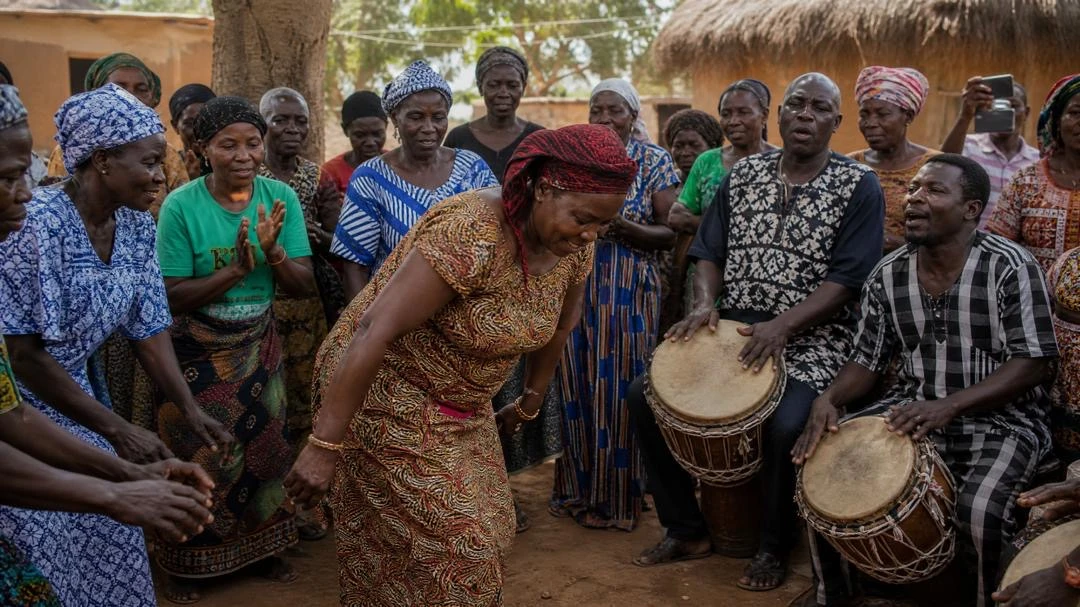
- Communal Healing: Many African cultures utilize communal rituals, drumming, dance, and storytelling to process grief, trauma, and emotional distress, providing a collective somatic release.
- Traditional Medicine and Spirituality: Healers often address physical ailments by considering their spiritual and emotional roots, recognizing the interconnectedness of all aspects of a person.
- Body-Centered Rituals: Rites of passage, ceremonies, and traditional dances often involve specific movements, rhythms, and breathwork that can facilitate emotional expression and somatic integration.
- Nature Connection: A strong connection to nature is often central to well-being, providing a grounding and regulating influence on the nervous system.

Integrating modern somatic healing techniques with these rich traditional practices offers a powerful pathway for mental and emotional well-being in African communities. It allows for a culturally sensitive approach that honors indigenous wisdom while incorporating contemporary understanding of trauma and the nervous system.
Conclusion
Somatic healing offers a profound and empowering approach to emotional well-being by recognizing and working with the body's innate capacity for healing. In an increasingly complex world, where stress and trauma are prevalent, practices that connect mind and body are more vital than ever. By learning to listen to our bodies, understand their signals, and facilitate the natural release of stored tension and emotion, we can cultivate greater resilience, emotional freedom, and a deeper sense of peace. Whether through established modalities or culturally adapted practices, somatic healing provides a pathway to reclaim our minds and bodies, fostering a holistic well-being that resonates with our deepest selves.
Leave a review!
 Like
0
Like
0
 Dislike
0
Dislike
0
 Love
0
Love
0
 Funny
0
Funny
0
 Wow
0
Wow
0
 Sad
0
Sad
0
 Angry
0
Angry
0


Comments (0)