
Workplace Mental Wellness: Creating Supportive Environments in the Hybrid Era
The world of work has undergone a seismic shift, accelerated by global events and technological advancements.

As we navigate 2026, the hybrid work model a blend of remote and in-office presence has become a cornerstone for many organizations. While offering unprecedented flexibility, this new paradigm also presents unique challenges to employee well-being, particularly mental health. The traditional boundaries between work and personal life have blurred, leading to increased stress, isolation, and burnout. This article explores the critical importance of workplace mental wellness in the hybrid era, offering insights into how organizations can proactively create supportive environments that foster psychological safety, resilience, and productivity, with a specific focus on its relevance and implementation within diverse African workplaces.
The Evolving Landscape of Workplace Mental Health
Before the hybrid era, mental health in the workplace was often an afterthought. Today, it's a strategic imperative. The shift to hybrid models has brought new stressors:
- Digital Fatigue: Constant virtual meetings and screen time contribute to mental exhaustion.
- Isolation and Disconnection: Remote work can lead to feelings of loneliness and a lack of belonging, impacting team cohesion.
- Blurred Boundaries: The absence of a clear physical separation between work and home makes it difficult to switch off, leading to longer hours and increased stress.
- Management Challenges: Leaders struggle to effectively support and monitor the well-being of a dispersed workforce.
- Anxiety of Return: For some, the return to office environments can trigger social anxiety or concerns about health and safety.
Recognizing these challenges is the first step towards building a truly supportive workplace.
Pillars of a Mentally Healthy Hybrid Workplace
Creating a thriving mental wellness culture in a hybrid environment requires a multi-faceted approach, focusing on several key areas:
1. Leadership Commitment and Empathy
Mental wellness initiatives must start at the top. Leaders need to:
- Lead by Example: Demonstrate healthy work-life boundaries and openly discuss mental health to reduce stigma.
- Practice Empathy: Understand and acknowledge the diverse challenges employees face, offering flexibility and support.
- Provide Training: Equip managers with the skills to identify signs of distress, engage in supportive conversations, and direct employees to resources.
2. Fostering Psychological Safety
Employees must feel safe to express concerns, make mistakes, and seek help without fear of retribution. This involves:
- Open Communication Channels: Create platforms for employees to share feedback and concerns anonymously if preferred.
- Non-Judgmental Culture: Promote an environment where mental health discussions are normalized and supported.
- Clear Expectations: Define roles, responsibilities, and performance metrics clearly to reduce ambiguity and stress.
3. Promoting Work-Life Integration (Not Just Balance)
In a hybrid world, strict work-life balance can be elusive. Instead, focus on integration:
- Flexible Work Arrangements: Empower employees to choose work schedules and locations that best suit their needs, where feasible.
- Encourage Breaks and Disconnection: Actively promote taking regular breaks, using vacation time, and disconnecting after work hours.
- Digital Well-being Policies: Implement guidelines for communication outside of working hours and encourage employees to mute notifications.

4. Providing Accessible Resources and Support
Organizations should offer a range of mental health resources that are easily accessible and widely communicated:
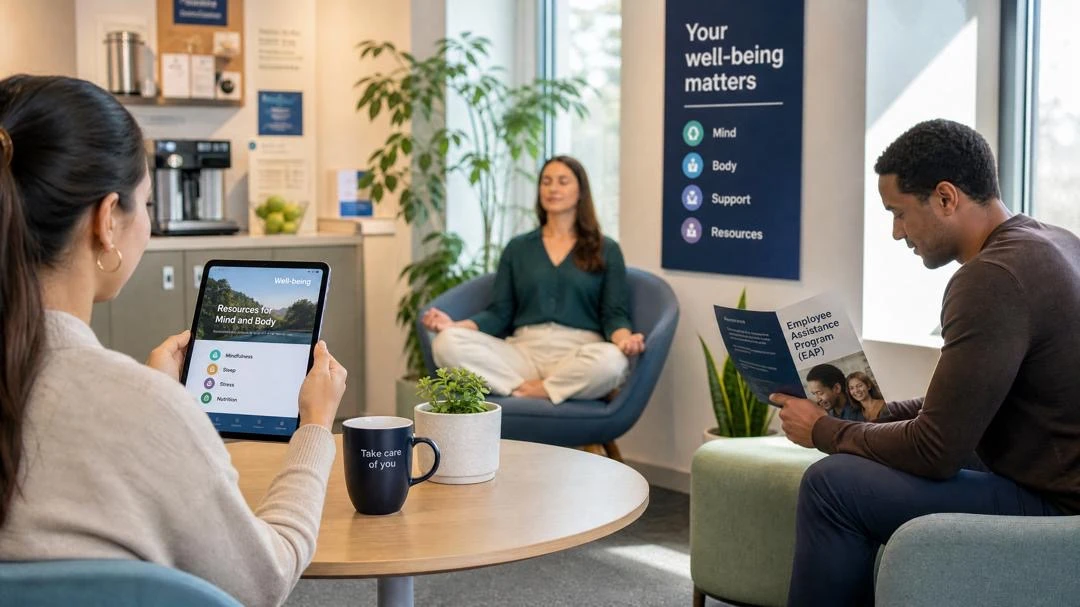
- Employee Assistance Programs (EAPs): Ensure EAPs are robust, confidential, and well-promoted.
- Mental Health Days: Implement policies that allow employees to take time off specifically for mental health needs.
- Wellness Programs: Offer initiatives like mindfulness training, stress management workshops, and physical activity challenges.
- Peer Support Networks: Facilitate connections among employees who can offer mutual support and understanding.
5. Leveraging Technology Thoughtfully
Technology can be both a cause and a solution for mental health challenges. Use it wisely:
- Collaboration Tools: Optimize tools to enhance connection and reduce feelings of isolation.
- Well-being Apps: Curate and recommend mental wellness apps that support meditation, sleep, or stress reduction.
- Data Analytics (Ethically): Use anonymized data to identify trends in employee well-being and inform interventions, always prioritizing privacy.
Workplace Mental Wellness in the African Context
Implementing mental wellness strategies in African workplaces requires cultural sensitivity and an understanding of local nuances:
- Addressing Stigma: Mental health stigma is often pronounced in many African societies. Organizations must actively work to destigmatize mental health discussions through education and open dialogue.
- Community and Family Support: Leverage existing strong community and family ties to create supportive networks within the workplace, while also respecting individual privacy.
- Resource Accessibility: Given potential limitations in formal mental health services, focus on accessible, culturally appropriate resources, including traditional healing practices where relevant and safe.
- Economic Realities: Acknowledge that economic pressures can significantly impact mental health. Policies should consider the financial well-being of employees.
- Digital Inclusion: Ensure that hybrid work models do not inadvertently exclude employees with limited access to reliable internet or technology, potentially exacerbating inequalities.
Addressing quiet burnout in Africa requires a nuanced approach that integrates traditional community support systems with modern mental health awareness. Promoting digital literacy, encouraging work-life balance, and destigmatizing mental health conversations are crucial steps.
Creating supportive environments for workplace mental wellness in the hybrid era is not merely a moral obligation but a strategic imperative for organizational success. By prioritizing leadership commitment, fostering psychological safety, promoting work-life integration, providing accessible resources, and thoughtfully leveraging technology, organizations can build resilient, engaged, and productive workforces. In the diverse and dynamic landscape of African workplaces, a culturally sensitive and empathetic approach will be key to unlocking the full potential of every employee, ensuring that mental well-being is at the heart of the future of work.
Leave a review!
 Like
0
Like
0
 Dislike
0
Dislike
0
 Love
0
Love
0
 Funny
0
Funny
0
 Wow
0
Wow
0
 Sad
0
Sad
0
 Angry
0
Angry
0




Comments (0)